The online conversation about women’s roles has been heating up. On one side, we have the tradwife movement, a return to traditional gender roles and homemaking. On the other, feminism continues to push for equality, independence, and dismantling old systems.
These ideas aren’t new, but the way they’re being debated today, especially on TikTok, Instagram, and YouTube, makes them feel fresh, provocative, and deeply personal. Let’s explore how the tradwife movement started on social media, the arguments for and against it, and how it contrasts with feminism.
How the Tradwife Movement Began Online
The word tradwife is short for traditional wife. The idea caught traction around 2018–2019 but surged during the pandemic, when people were spending more time at home and turning to social media for lifestyle inspiration.
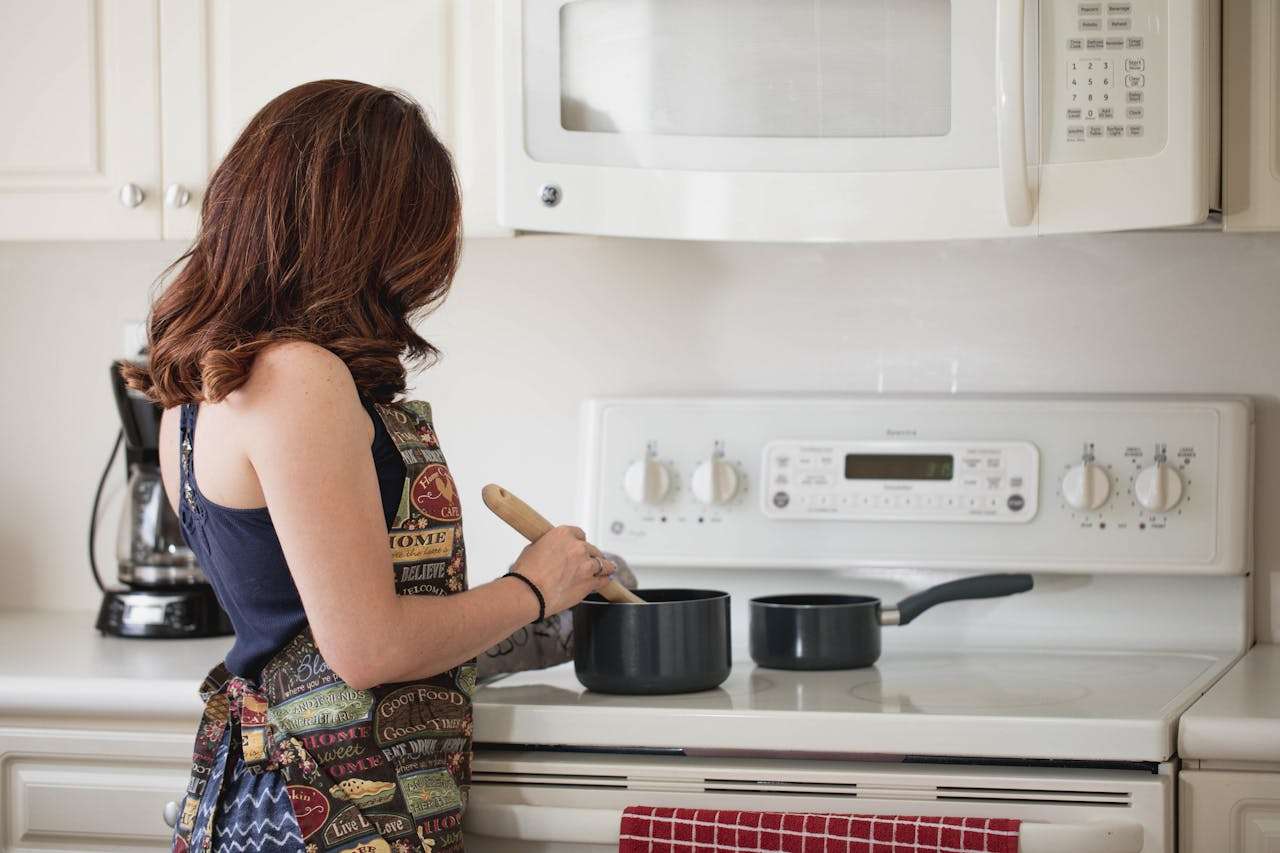
On TikTok, women began posting short videos showcasing a curated “trad life”: baking sourdough bread, sewing dresses, cleaning with a smile, and embracing domestic roles. The aesthetic was often cozy, vintage, and soft, with floral aprons, homesteading, and wholesome family life.
As one popular Instagram caption put it:
“Choosing to be a tradwife isn’t oppression—it’s my empowerment. My home, my rules, my way of serving love.”
But behind the nostalgic visuals, the movement sparked debates. Was this just an innocent lifestyle choice? Or a rejection of feminism and a return to outdated gender norms?
The Philosophy of Tradwife Living
At its core, the tradwife philosophy emphasizes:
- Homemaking as a career: Raising children, cooking, and maintaining the household as a full-time role.
- Clear gender roles: Men as breadwinners, women as caretakers.
- Domestic skills as empowerment: A sense of pride in traditional skills like sewing, gardening, or cooking from scratch.
Supporters often argue that feminism told women they must have careers outside the home to be valuable, and tradwives reject that narrative.
As one YouTube creator explained:
“I don’t feel less because I don’t have a corporate job. My husband provides, I nurture—it’s a partnership we both chose.”
The Feminist Counterpoint
Feminism, in contrast, has long argued for:
- Choice in all directions whether a woman wants to be a CEO, a homemaker, or both.
- Economic independence so women aren’t financially trapped in harmful relationships.
- Dismantling rigid gender roles that limit both men and women.
Modern feminism has also embraced the idea that domestic work is valuable, but it resists the idea that only women should perform it.
As writer bell hooks famously said:
“Feminism is for everybody.”
That phrase captures the essence of the feminist critique: roles should not be assigned based on gender, but chosen freely by individuals.
The Good Sides of the Tradwife Trend
Let’s be fair. There are positive aspects of the tradwife lifestyle that resonate with many women online.
1. Prioritizing Family and Home
For women overwhelmed by hustle culture, the emphasis on family, slower living, and domestic pride can feel grounding.
2. Rejecting Burnout
The corporate “girlboss” narrative told women they had to do it all, career, home, beauty, and relationships. Many are now rebelling against that pressure.
3. Skill Revival
Gardening, cooking from scratch, and sewing are valuable skills, and social media has made them fashionable again.
In this sense, the tradwife movement overlaps with broader trends like the soft life and slow living movements.

The Criticisms of the Tradwife Movement
But the backlash is real, and the criticisms can’t be ignored.
1. Romanticizing the Past
The movement often idealizes the 1950s housewife, ignoring the fact that many women at the time lacked rights, options, and freedom.
2. Exclusivity
Much of the tradwife content online is rooted in white, middle-class aesthetics, which can alienate women of different backgrounds.
3. Economic Dependence
Critics argue that relying solely on a husband for income can be risky. If the relationship fails, women may lack financial independence or marketable skills.
As one feminist blogger put it:
“Calling it empowerment doesn’t erase the reality—financial dependence limits women’s choices.”
Tradwife vs Feminist: Where Do They Overlap?
Although they appear as polar opposites, the tradwife and feminist conversations have some unexpected overlaps.
- Both value women’s choices, though they define those choices differently.
- Both critique toxic hustle culture and the pressures placed on women to “do it all.”
- Both recognize the importance of domestic labor, though feminism advocates for shared responsibility.
This overlap suggests the debate isn’t always black and white. Many women identify as feminists while also embracing aspects of tradwife living, like homemaking or prioritizing family.
Why Social Media Amplifies the Divide
Platforms like TikTok and Instagram thrive on extremes. Content that sparks debate, whether a feminist takedown or a dreamy tradwife morning routine, is more likely to go viral.
This means nuance often gets lost. A woman sharing her personal choice to stay home may not be condemning feminism, but the algorithms amplify the conflict.
As cultural critic Jia Tolentino noted in Trick Mirror:
“The internet is built to flatten every argument into the loudest possible version of itself.”
So, Which Is Better?
That’s the wrong question. The real issue is freedom.
- A feminist lens ensures women have structural rights and opportunities.
- A tradwife choice may reflect one woman’s vision of happiness.
Problems arise when one side dictates to the other what “real womanhood” should look like. Empowerment should mean supporting women’s right to choose, not policing those choices.
Women redefining their roles
The tradwife vs feminist debate captures a larger cultural moment: women redefining their roles in an uncertain world.
Tradwives remind us of the value of home and domestic labor. Feminism ensures those roles are chosen, not imposed. Both movements highlight women’s desire for meaning, balance, and respect in a world that often undervalues them.
Maybe the answer lies in blending the best of both: the freedom to choose, the respect for all paths, and the recognition that womanhood cannot be reduced to a single lifestyle.
As one TikTok user summed it up:
“Whether I’m in the boardroom or the kitchen, I’m still in charge of my life.”
And that, perhaps, is the most empowering position of all.
Photo by On Shot: https://www.pexels.com/photo/woman-in-the-kitchen-cooking-2890387/