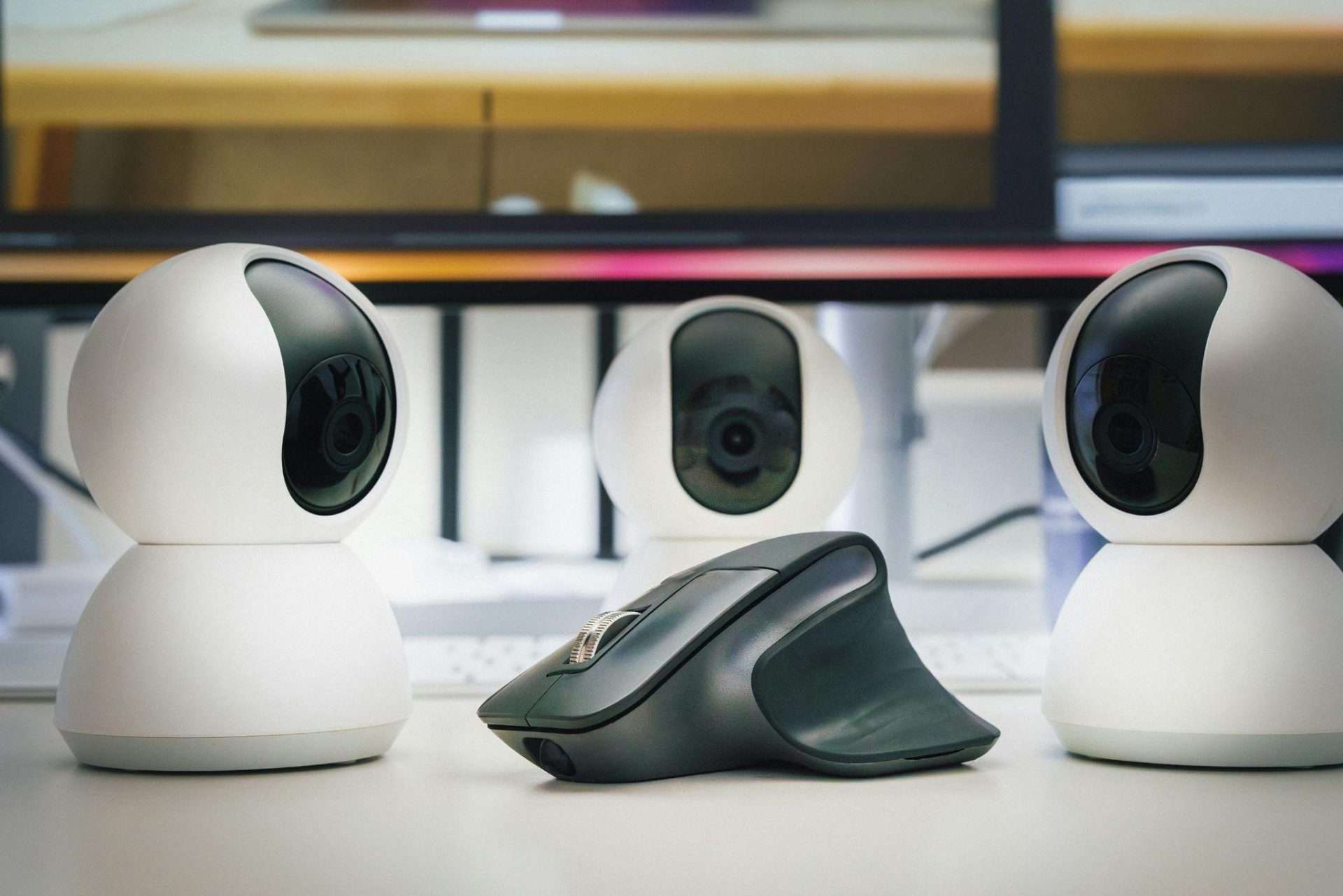
- Hidden cameras play a crucial role in protecting children from potential nanny abuse by offering parents real-time insights into their child’s safety and caregiver behavior.
- They act as both a deterrent and a means of gathering evidence if misconduct occurs.
- While trust and communication with caregivers are essential, discreet surveillance ensures peace of mind and helps parents stay one step ahead in safeguarding their child’s well-being.
Engaging a nanny or caregiver for your children brings many benefits: a trusted adult to supervise the home, provide care, help with routines, offer companionship. But it also introduces a risk: when children are in someone else’s care, you are entrusting their safety, well-being, and dignity to that person. For parents who want to stay one step ahead of potential neglect or abuse, surveillance in particular hidden or discreet cameras (often called “nanny cams”) can be a powerful tool.
However, hidden surveillance is not a panacea. It raises serious questions of privacy, trust, legality, and ethics. This article explores why hidden cameras may be worthwhile in childcare settings, how to use them effectively, how to stay within legal and ethical boundaries, what the technical and practical considerations are, and how they fit into an overall approach to safe caregiving.
Why the Concern: Nanny Abuse & Its Hidden Nature
Before delving into cameras, it’s worth understanding the scope of the problem and why monitoring may be needed.
The nature of the risk
- When you leave your home in the care of a nanny or babysitter, you implicitly trust them with not only the physical safety of your children but also their emotional well‐being, their routines (feeding, sleeping, playing), their interactions and boundaries.
- Unfortunately, there is documented evidence of nannies, babysitters or other caregivers engaging in neglect (failing to respond, leaving children unattended, ignoring basic needs), abuse (physical, emotional), or misbehaviour (exploitation, theft, inappropriate interaction).
- Many of these issues go unnoticed because the child may be too young or too afraid to speak up; the time of supervision may coincide with the adult parent being away (at work) and little direct oversight occurs.
Why abusers often go undetected
- Care often takes place inside the private home, which is typically not under external scrutiny.
- Children may not have the vocabulary or confidence to report concerns, especially if they fear consequences.
- Some caregivers may behave well when the parent is present, but their behaviour may change once alone with the children.
- A lack of immediate red‐flags may lull parents into complacency; subtle neglect can build up over time without dramatic incidents.
- Without objective evidence, confronting or replacing a nanny can be fraught with uncertainty, expense or disruption.
The role of hidden cameras
Surveillance can provide:
- An objective record of what happens when you are not present.
- Early warning of inappropriate or risky behaviour (e.g., rough handling, isolation of a child, lack of interaction).
- Peace of mind for parents who need to step away but want to ensure everything is fine.
- A deterrent: knowing they might be monitored may encourage caregivers to maintain proper standards.
- Potential evidence in a serious case (though with caveats regarding legality and admissibility).
Thus, hidden or discreet cameras can be an important component of staying one step ahead of nanny abuse.
Hidden Cameras: What They Are & How They Help
Defining “hidden” or discreet nanny cams
A “nanny cam” is typically a small video camera (sometimes with audio) placed in a home setting to monitor the interactions between a child (or children) and a caregiver. These may be visible (clearly mounted) or hidden/discreet (concealed in an object or unobtrusively placed).
How they help
- Real‐time monitoring: Some systems allow live streaming so you can check in remotely via a phone or app.
- Recorded footage: Enables review of activities later if concerns arise.
- Documentation: Helps establish what “normal” care looks like; any deviations can be more easily spotted.
- Deterrence effect: The knowledge (or even the possibility) of being watched often influences behaviour positively.
- Alerting early issues: For example, a repeated pattern of poor interaction, neglect of play or feeding, or unsafe practices may first show up on camera.
Limitations to keep in mind
- Cameras don’t replace good hiring practices, ongoing communication, supervision, or trust-building.
- They don’t capture everything: fixed angles may miss crucial interactions, audio may be prohibited in some places, children may still be vulnerable.
- They raise privacy and ethical issues (see next section).
- Legal admissibility of footage may vary depending on how and where it was recorded.
- Over‐reliance on surveillance may damage the caregiver/parent relationship if not handled sensitively.
Ethical considerations
- Respect and trust: If a nanny feels that they are being spied on covertly, the relationship can become adversarial rather than collaborative.
- Balance: The parent’s right to know what happens inside their home must be balanced against the nanny’s right to dignity, privacy and fair treatment.
- Children’s welfare: The primary goal is the safety and well‐being of children; cameras must not become an excuse for micromanagement or distrust without cause.
- Communication: Being open about monitoring (as far as legally and practically possible) helps build trust and transparency.
- Avoid indiscriminate use: Installing cameras everywhere “just in case” may undermine the home environment and damage the caregiver‐child relationship.
Practical Tips for Using Hidden Cameras Properly
Assuming you’ve concluded that using a camera is a reasonable measure (and you’ve checked legal obligations in your region), here are practical suggestions to maximise effectiveness and minimise risk.
1. Clarify your goals
- What are you trying to monitor? (E.g., play interaction, feeding, nap routines, caregiver behaviour when you’re absent.)
- What are the red flags you want to guard against? (Neglect, harsh discipline, unusual isolation, lack of engagement.)
- What is the frequency of review or how often will you check live streaming?
- Will the footage only be used if you have a concern, or will you review periodically as part of routine oversight?
2. Choose appropriate locations
- Place cameras in communal areas where children and nanny interact (living room, playroom, kitchen) rather than private spaces (bathroom, nanny’s bedroom).
- Ensure the camera angle captures key interaction but doesn’t intrude unnecessarily on private zones.
- Think about light, obstructions, and access to mains power or charging.
- Consider visibility: some cameras are deliberately visible (which can act as a deterrent); others are discreet. Both have pros and cons.
3. Select the right technology
- Opt for high‐resolution video so you can clearly see details.
- Choose night vision if the area will be used at low light.
- Live streaming via smartphone can give you real-time peace of mind.
- Storage: cloud vs local. Ensure secure access (strong passwords, encryption if available).
- Motion detection alerts can help reduce review time.
- Audio: if you plan to record audio, check your region’s laws. If in doubt, you may choose video‐only.
- Hidden vs visible: decide whether you want the camera disclosed or hidden. Transparency may build trust; hidden may capture unfiltered behaviour but raises legal/ethical issues.
4. Inform (as legally required/prudent)
- Even if law doesn’t strictly require you to disclose the camera, telling the nanny or caregiver that monitoring is in place helps set expectations and build trust.
- If other parents’ children are involved (in a nanny share scenario), ensure they are aware of monitoring.
- Provide guidance to the nanny on the purpose of monitoring (child safety) rather than micromanagement.
5. Review footage and respond appropriately
- Decide how often you will check footage (daily remote check‐in? Random spot checks?).
- Don’t rely solely on reacting to issues; the footage is part of a broader oversight strategy.
- If you observe behaviour that concerns you:
- Review footage with an open mind (one isolated incident may be an anomaly).
- Talk to the nanny respectfully and openly; provide feedback, allow explanation.
- If repeated or serious issues arise, consider termination of the arrangement.
- Securely archive any footage if it may become necessary for evidence or future reference (and ensure you follow secure storage practices).
- Set a record‐keeping policy: delete outdated footage, restrict access, ensure only authorised users can view.
6. Maintain context & proportion
- Cameras are one tool among many. They don’t replace strong hiring practices (interviews, references, background checks).
- Encourage regular communication with your nanny, periodic in-person check-ins, and a visible parent presence whenever possible.
- The goal is to build a safe and caring environment, not to turn the home into a surveillance zone.
- Be clear that the camera exists for child safety, not for controlling or distrustfully monitoring every moment. That helps maintain a healthy relationship and mindset.
7. Review legal compliance periodically
- Privacy laws, data protection regulations, and home monitoring laws change over time.
- If your arrangement changes (e.g., the nanny becomes live-in, or you hire additional caregivers, or the children’s ages change), revisit your monitoring strategy.
- If you move to a different jurisdiction, check local laws again.
Conclusion
The decision to install hidden surveillance cameras to monitor a nanny isn’t just a technical upgrade or a convenience, it’s a serious step in managing child-care risk. When done thoughtfully, legally and ethically, it can help parents stay one step ahead of potential abuse or neglect. It offers a window into what happens when you are not present, and can reassure you that your children are being cared for appropriately.
But to succeed, cameras must be part of a broader strategy: sound hiring practices, clear communication, ongoing supervision, and a culture of trust and transparency. The objective isn’t mistrust, it’s safeguarding the children while respecting everyone involved.
In essence: a hidden camera is a tool. It doesn’t replace your judgement, your presence, your values as a parent. But when properly integrated, it can offer peace of mind and a meaningful layer of protection.