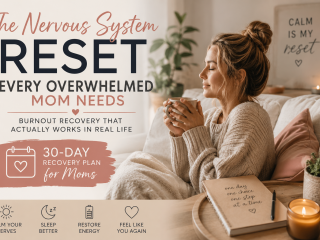
Mothers balancing work and family often carry a quiet, constant pressure: parenting stressors at home, work-life balance challenges on the clock, and family-career-life challenges in every in-between moment. Time pressures for mothers can make even small decisions feel urgent, and the mental tally of appointments, meals, messages, and emotions can start to feel like a personal failure. It isn’t, stress usually has specific triggers, and they’re more predictable than they seem. When those triggers have names, self-blame loses its grip and calm starts to feel possible again.
Understanding Your Real Stress Triggers
Stress relief starts with naming what is actually draining you. Your biggest triggers often fall into a few buckets: time management struggles, postpartum recovery strain, constant childcare responsibilities, work-family conflict, and your own mental health.
This matters because the fix has to match the cause. When the main issue is carrying the mental load, a bubble bath will not stop the spinning thoughts. When the pressure is time, quality time management can ease stress more than adding one more “should.”
Picture a Tuesday: daycare texts, a work meeting runs long, dinner is half-planned, and you are still healing. If you label it “I can’t cope,” you try everything and nothing sticks. If you label it “time plus childcare plus recovery,” you choose the right support.
With your triggers clear, you can use quick strategies that calm your body and reset your head.
Use 5 Fast Stress-Soothers You Can Do on a Busy Day
Some days your stress triggers are loud and obvious, an overdue deadline, a toddler meltdown, a postpartum body that’s still healing. These quick soothers are meant to meet you right where you are and calm your system fast.
- Do a 10-minute “reset walk” (even if it’s just the parking lot): Set a timer for 10 minutes and walk at a pace where you can still breathe through your nose. A short walk works especially well when your trigger is feeling stuck, at your desk, in the house, or in your own head, because taking a walk gives you a change of scenery and a physical outlet at the same time. If you can, leave your phone in your pocket and notice 5 things you can see and 3 sounds you can hear.
- Use the “protein + produce” rule for your next meal or snack: When stress hits, blood sugar swings can make you more irritable and foggy. Pick one protein (eggs, Greek yogurt, beans, chicken, tofu) and one produce item (berries, baby carrots, a banana, a bagged salad) and eat that first. This is not about perfection, it’s about preventing the “hangry crash” that often fuels work-family conflict and end-of-day overwhelm.
- Try a 90-second breathing break between roles: When you’re switching from work mode to mom mode, or from childcare to a meeting, do this: inhale for 4, exhale for 6, repeat 6–8 rounds. Longer exhales help your body downshift, which matters when your trigger is time pressure or feeling “on” all day. If you’re holding a baby, do it while you’re rocking; if you’re in the bathroom for privacy, that counts as self-care too.
- Use a 3-minute “micro-meditation” that fits real motherhood: Sit or stand comfortably and do three steps: (1) Name what’s here: “tight chest, racing thoughts.” (2) Place a hand on your belly or heart and soften your shoulders. (3) Choose one kind sentence: “This is hard, and I’m doing my best.” You don’t need a perfectly quiet house, mindfulness interventions have been shown to improve stress, and your version can be simple.
- Protect sleep with a “closing shift” routine (15 minutes, not an hour): If your trigger is everything piling up at night, do a quick close: set out tomorrow’s essentials (keys, water bottle, one outfit), dim lights, and stop scrolling 20 minutes before bed. Keep bedtime and wake time within about the same one-hour window most days so your body learns the rhythm. Better sleep won’t erase your workload, but it makes you more resilient when the next stressor lands.
- Swap “perfect plan” for “flexible goal” when the day goes sideways: Pick one priority that matches your real trigger (connection, recovery, productivity) and let the details change. A helpful mindset is goal over destination: “I’m aiming for movement today” can mean a walk, stretching during bath time, or dancing while dinner cooks. Flexibility keeps one disruption from turning into an all-day spiral.
When you practice these mini-resets consistently, you start to recognize your patterns faster, and your calm becomes something you can count on, not something you have to chase.
Habits That Help You Spot Triggers and Stay Steady
Try these small habits to make calm easier to reach.
Quick resets work best when you also have a few defaults you repeat without thinking. These practices help you notice your personal triggers sooner and recover faster across parenting chaos, career pressure, style decisions, and home logistics.
Two-Minute Trigger Log
- What it is: Write a quick note on what happened, what you felt, and what you needed.
- How often: Daily, right after a spike.
- Why it helps: Patterns become obvious, so you can prevent repeats instead of reacting.
Morning “First Yes” Routine
- What it is: Choose one supportive action before serving others: water, meds, or sunlight.
- How often: Daily.
- Why it helps: It anchors your nervous system before the day starts pulling.
Lunch Break Movement Snack
- What it is: Do 8 minutes of yoga flows since yoga participation relates to lower stress.
- How often: 3 times weekly.
- Why it helps: Movement drains tension, so afternoon parenting feels less sharp.
Role-Change Reset Script
- What it is: Say: “I’m switching roles; I can do one thing at a time.”
- How often: Before pickups, meetings, and bedtime.
- Why it helps: It reduces urgency thinking and protects your tone.
Weekly Pressure Scan
- What it is: Name your biggest stressor from top causes of stress and pick one tiny fix.
- How often: Weekly.
- Why it helps: You focus on the real trigger, not random self-improvement.
Pick one habit for seven days, then tweak it to fit your real life.

Real-Life Stress Questions, Answered
If you’re thinking “Okay, but what about my real day?”, you’re not alone.
Q: What are common sources of stress that parents, especially mothers, should look out for in their daily lives?
A: Common triggers include constant interruptions, decision fatigue, running late, and feeling “on” for everyone all day. Notice what reliably spikes you, like transitions (drop-offs, dinner, bedtime) or perfection pressure around work, home, or appearance. Pick one repeat stressor to name, then choose one tiny boundary that protects it.
Q: How can establishing a consistent work-life balance help reduce feelings of overwhelm and stress at home?
A: Consistency reduces mental juggling because your brain stops renegotiating every hour. Try one clear “closing ritual” for work like a final to-do note and a two-minute tidy so you re-enter home more present. Even small predictability helps your tone and patience last longer.
Q: What are practical and quick stress-reduction techniques mothers can use when time is limited?
A: A deep breathing technique works in the car line, bathroom, or between meetings: inhale four counts, exhale six, repeat five times. Add a simple cue like relaxing your shoulders or unclenching your jaw. Keep it short enough that you will actually do it.
Q: How does improving diet and sleep hygiene impact overall stress levels for busy parents?
A: Under-fueling and poor sleep make stress feel louder and recovery slower. A sleep survey found 63% of people, not sleeping enough, frequently experience stress, so protect sleep with one small rule like a consistent wind-down alarm. For food, aim for steady basics: protein at breakfast and a water refill you can see.
Q: In moments of high stress, how can I safely explore natural options, like hemp-derived THCA products, to help me relax and find calm?
A: Start with safety first: check your local laws, avoid mixing with alcohol or driving, and consider how it could affect parenting responsibilities. Talk with a qualified clinician if you are pregnant, breastfeeding, on medications, or managing anxiety or mood concerns. If you choose to explore it, prioritize transparency like third-party lab results and start low and slow, including options with a THCa cartridge.
You deserve calm that fits your life, not a plan that demands a new one.
One Small Stress Shift That Builds Calm You Can Keep
When work, kids, and the mental load collide, stress can feel like a constant hum with no off switch. The steadier path is the one already laid out here: notice what sets the spiral in motion, respond with simple calm cues, and practice a positive mindset that treats stress management motivation as something to rebuild, not something to “have.” Small, repeatable choices create the calm your life can grow around. Choose one small change today, identify a top trigger and pair it with one calming reset, and repeat it for a week. That long-term wellness commitment is how empowering mothers turn sustained healthy habits into more resilience, steadier health, and deeper connection.