Have you ever felt tired before the day even begins? Not just sleepy. Deeply exhausted. Like your mind is carrying too much all at once. That feeling has become normal for many people today. Life moves fast. Deadlines pile up. Phones keep ringing. Everybody expects something from you.
A friend once admitted she could not remember the last time she sat quietly without checking her phone. That hit hard. Most people are living like machines now. Wake up. Work. Eat quickly. Sleep late. Repeat. Somewhere in the middle of all that chaos, self-care disappears quietly.
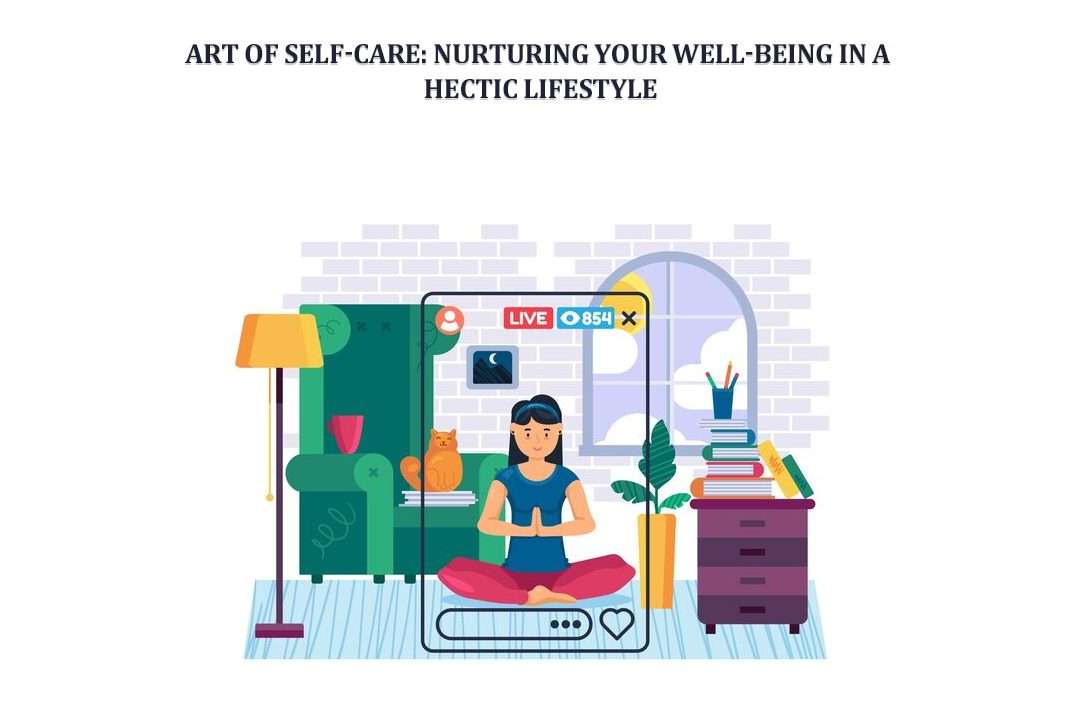
Self-care is not about being lazy or dramatic. It is about survival, honestly. Taking care of yourself helps you think clearly, feel calmer, and function properly. Even small habits matter. Tiny moments of peace can change your whole mood sometimes.
Why Self-Care Is More Important Than Ever
People wear exhaustion like a trophy now. Busy schedules became a symbol of success. If someone works nonstop, society praises them. Strange world, honestly.
But stress damages people slowly. Some lose sleep. Others become irritated over little things. Some feel emotionally numb and dont even realize it. The body notices stress before the mind does. Long-term stress may cause:
• Anxiety
• Mood swings
• Poor concentration
• Constant fatigue
• Weak immune system
A man named Bilal once worked every single weekend for months. No breaks. No rest. One day, he forgot an important meeting completely. His brain was exhausted. That was the moment he realized productivity means nothing if your health is collapsing quietly.
Physical Self-Care Matters More Than People Think
Your Body Notices Everything
The body keeps giving warnings. Headaches. Back pain. Tired eyes. Low energy. But most people ignore these signs because they think resting can wait. Truth is, it can’t always wait.
Simple physical care helps more than people expect. Drinking enough water. Eating proper meals. Sleeping earlier. Sounds basic, yet many people fail at these things every day. Helpful physical self-care habits include:
• Daily walks
• Stretching in the morning
• Eating balanced meals
• Sleeping on time
• Reducing junk food
Even your environment affects how you feel. A peaceful home with calming textures like coir matting can make a room feel warmer and less stressful after a long day.
Sleep Is Powerful
Some people proudly say they only sleep four hours a night. That is not impressive. That’s unhealthy.
Sleep repairs the brain and body. Without proper rest, emotions become unstable, and concentration gets weaker. A tired mind struggles with even simple tasks sometimes.
One college student shared how she stayed awake every night studying and scrolling through social media. Eventually, she became anxious all the time. Once she fixed her sleeping routine, her mood improved greatly. Small changes matter a lot.
Emotional Self-Care Is Often Ignored
People Hide Stress Well
Not everybody who smiles is okay. Many people carry emotional pressure silently. Family stress. Financial pressure. Relationship issues. The weight builds slowly until they feel emotionally drained.
A woman named Sana used to say yes to everyone. Extra work. Family favors. Social plans. She wanted everybody to be happy. But inside, she was constantly exhausted. Eventually, she realized something important. You can’t pour energy into others while completely ignoring yourself.
Learning To Say No
Saying no feels uncomfortable at first. Especially for people who are used to pleasing everyone around them. But boundaries protect emotional health. Healthy boundaries may include:
• Ignoring work calls after hours
• Spending less time with toxic people
• Taking breaks without guilt
• Saying no to unnecessary stress
People may not always understand your boundaries. That’s okay. Your peace matters too.
Quiet Power of Slowing Down
Everything feels rushed now. Fast food. Fast conversations. Fast lifestyles. Nobody pauses anymore.
One older man described how he spends twenty quiet minutes every morning watering his garden before work. No phone. No distractions. Just silence and fresh air. He called it the calmest part of his entire day.
That story feels simple. Yet powerful.
Slowing down helps the nervous system relax. Even brief moments of calm can reduce stress levels greatly. People don’t always need expensive vacations. Sometimes they just need quiet.
Mental Self-Care in a Noisy World
Digital Overload Is Real
Phones are exhausting, honestly. People wake up and instantly check notifications. Emails. Messages. Social media updates. The brain barely gets time to breathe anymore.
Social media comparisons make things worse, too. Everybody online seems happier, richer, and more successful. But online life is carefully edited. Real life is messy behind the screen. Helpful ways to reduce digital stress include:
• Taking social media breaks
• Avoiding phones before bed
• Reading books instead of scrolling
• Spending time outdoors
One teenager admitted she felt anxious every time she opened social media apps. She constantly compared herself to others. After limiting screen time, she felt mentally lighter. Less pressure. Less noise.
Positive Thoughts Matter
People can be cruel to themselves sometimes. Negative self-talk destroys confidence slowly. Thoughts like “I am not enough” or “I keep failing” become dangerous if repeated every day.
Nobody is perfect. Mistakes happen. Bad days happen, too. Learning to speak kindly to yourself is part of real self-care.
Self-Care Through Simple Daily Rituals
Self-care often looks ordinary from the outside. That’s the interesting part.
A warm cup of tea after work. Listening to music while cooking dinner. Writing thoughts in a notebook before sleeping. Tiny rituals create emotional comfort. Simple daily rituals may include:
• Deep breathing exercises
• Morning walks
• Journaling
• Long showers after stressful days
• Listening to calming music
These habits seem small, but they help people feel emotionally grounded again.
Relationships and Self-Care
Energy Around You Matters
Some people drain your energy completely. Others make life feel lighter. Relationships affect emotional health deeply.
Healthy relationships provide support, trust, and comfort during difficult moments. Toxic relationships create stress and emotional exhaustion instead.
A young man once explained how distancing himself from negative friendships improved his mental health within weeks. Sometimes protecting your peace means walking away from unhealthy connections.
Spending Time Alone Is Healthy Too
Being alone is not always a bad thing. Quiet moments allow self-reflection. People learn a lot about themselves during silence. Sitting alone at a cafe. Taking solo walks and reading quietly in bed. These moments help the mind recharge. Constant noise becomes tiring after a while.
The Connection Between Environment and Well-Being
Your surroundings affect your mood more than you realize. Cluttered spaces create mental stress. Dark rooms feel heavy emotionally. A peaceful environment feels calming instantly. Simple changes help a lot:
• Opening windows for fresh air
• Keeping rooms organized
• Adding natural textures indoors
• Reducing unnecessary clutter
Home should feel relaxing. Not another stressful place.
Self-Care Is Not Always Beautiful
Real self-care is messy sometimes. Sometimes self-care means crying after holding emotions in too long. Sometimes it means asking for help even when pride says otherwise. Healing is not always pretty or organized.
Social media often shows perfect versions of self-care. Expensive vacations. Fancy skincare routines. Perfect homes. But real healing usually happens quietly in ordinary moments.
Guilt Around Rest
Many people feel guilty while resting. Even during breaks, their minds keep racing with unfinished tasks. That pressure is unhealthy.
Rest is necessary. Human beings are not designed to function nonstop. Burnout happens slowly when people ignore their physical and emotional needs for too long. You are allowed to pause. That matters.
Conclusion
What if people treated themselves with the same kindness they give others every day?
Life is stressful. Busy schedules, responsibilities, financial pressure, and emotional exhaustion affect almost everybody now. But self-care helps people survive those difficult moments with more balance and peace.
The art of self-care is not about perfection. It is about paying attention to your own needs before burnout takes over completely. Small habits i.e., using coir mat to relax your body matter. Better sleep. Quiet mornings. Healthy boundaries. Less screen time. More rest.
Your mind needs care. Your body does too. And honestly, slowing down sometimes may be the healthiest thing a person can do for themselves.